
July 1, 2026
The real sauna ice bath benefits are narrower — and more useful — than the internet suggests. The evidence is strong for faster recovery, less muscle soreness, a sharp lift in mood and alertness, and better stress resilience when you pair heat, cold, and rest. The hype is everything beyond that: cures, guaranteed fat loss, detox miracles. At Soho Wellness, Boat Lagoon Marina, you get the proven version — a Clearlight infrared sauna and a Bison ice bath, done properly.
Do you know why heat and cold suddenly turned up in every gym, hotel, and wellness reel in 2026? Yes — because the science finally caught up with what athletes have done for decades, and “Healing Is the New Luxury” became the way people want to travel. But with the attention came a wave of overclaiming. This guide separates the genuine benefits from the marketing, so you know exactly what a session does for your body — and what it does not.
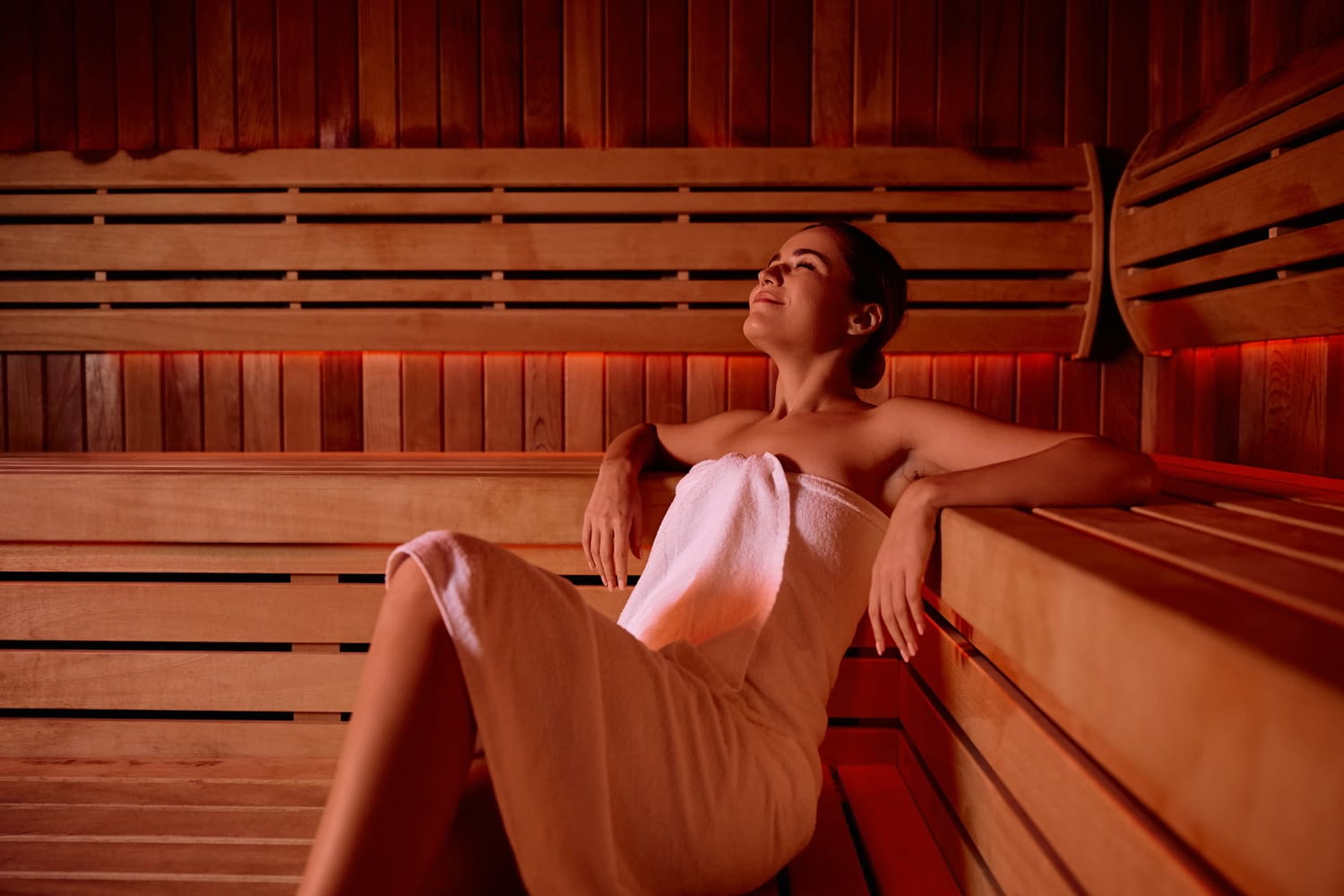
At its simplest, this is the practice of warming the body deeply in a sauna, then cooling it sharply in cold water, usually in alternating cycles with rest in between. The combination is known as contrast therapy, and it is the engine behind Soho Wellness at Boat Lagoon Marina in Koh Kaew. The heat raises your core temperature, opens up circulation, and triggers a deep relaxing sweat. The cold does the opposite — it constricts, then rebounds, flushing the system and firing up your alertness.
The benefits people chase fall into three honest buckets: physical recovery, mental clarity, and stress resilience. Everything credible about heat and cold lives inside those three, so when you see a claim that does not fit one of them, treat it with suspicion. The rest of this guide walks through each side of the cycle, then sorts the real benefits from the hype.
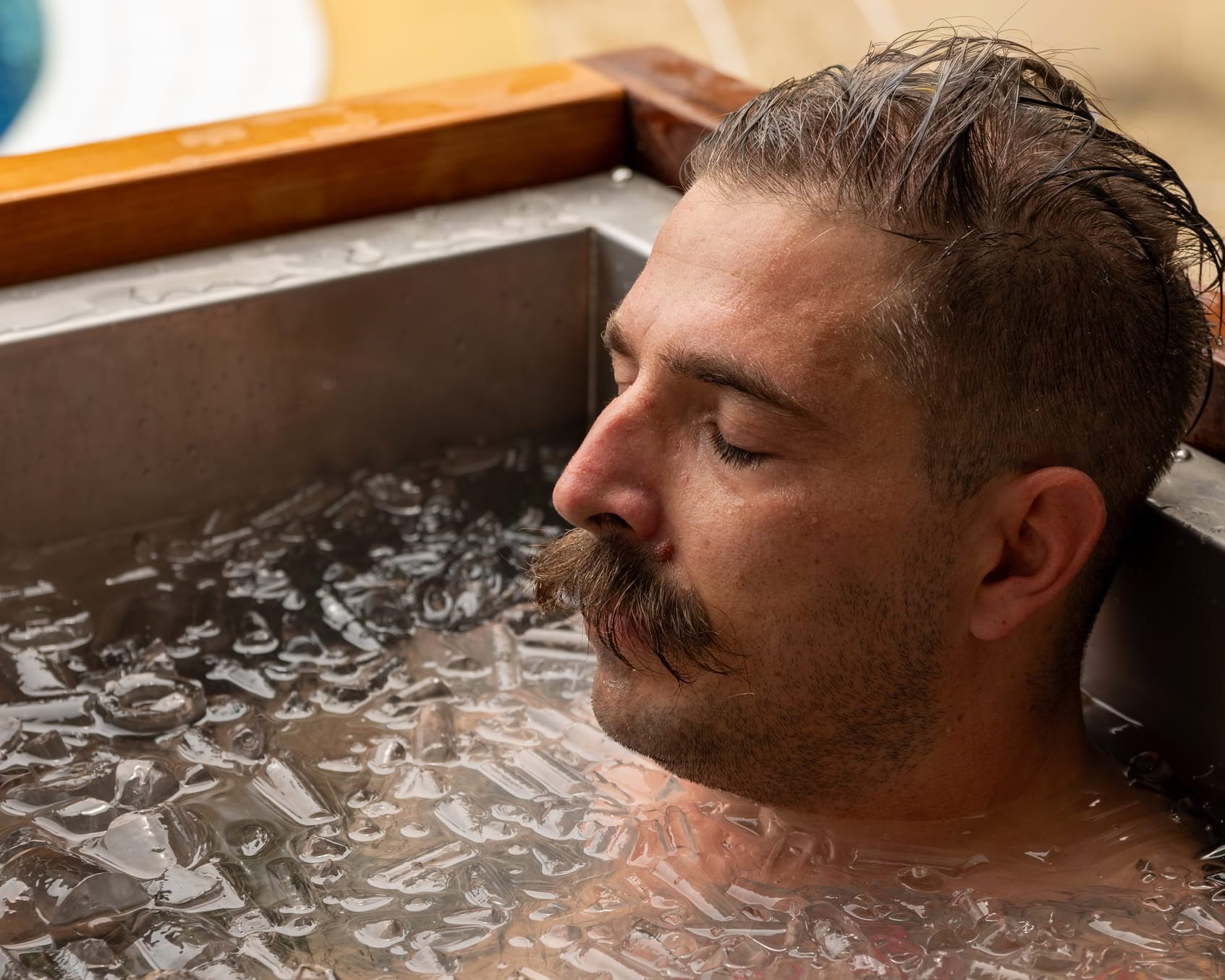
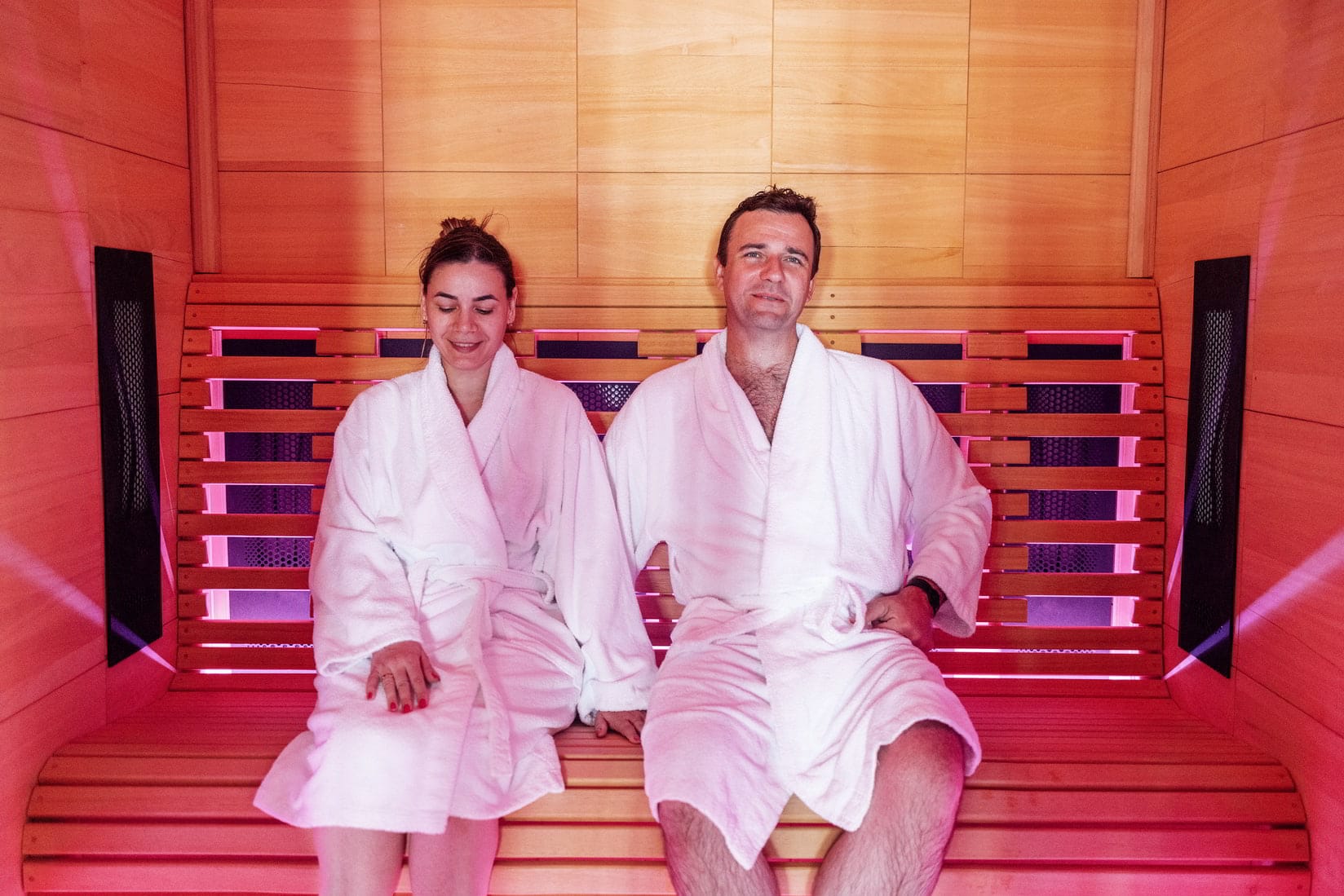
An infrared sauna warms your body directly rather than just heating the air around you, which is why it feels more comfortable than a traditional steam room while still producing a proper sweat. At Soho Wellness the heat side is a 5-person Clearlight infrared sauna — the same caliber of equipment used by serious recovery centres, not an improvised cabinet. Ten to fifteen minutes is usually enough to reach a steady, full-body sweat.
The documented effects are reassuringly down to earth. Heat exposure improves circulation as blood vessels dilate, supports cardiovascular function in a way researchers have compared to light exercise, and lowers cortisol, which is the body’s main stress hormone. Regular sauna use is also strongly associated with better sleep and deep relaxation. You can read the broad background in the Wikipedia entry on the sauna, which traces its long history in Finnish culture. The heat alone is restorative — but it is only half the story.
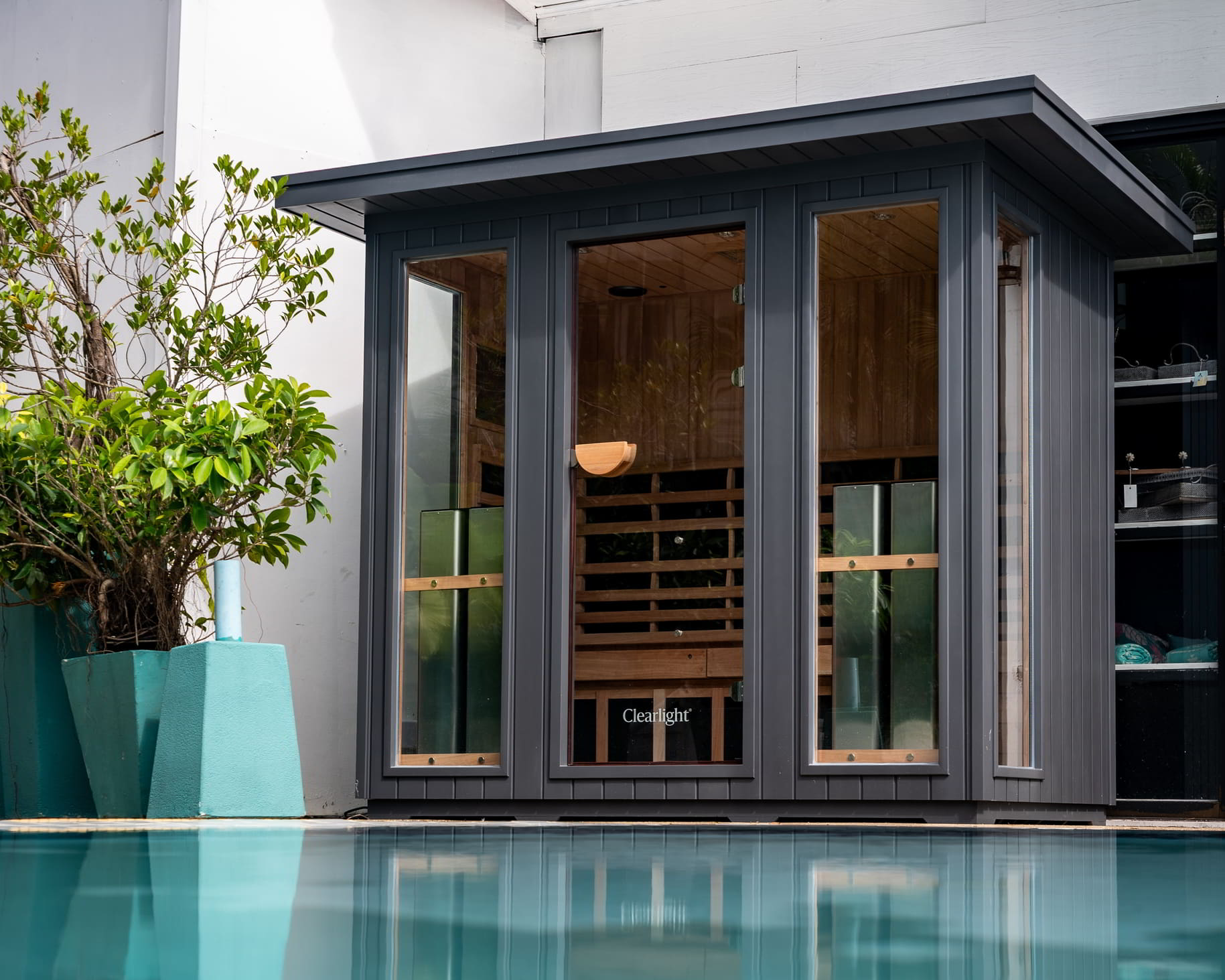
The cold plunge grabs the headlines, and for once the attention is partly deserved. The Bison ice bath at Soho is kept at temperatures suited to short, controlled immersions of one to three minutes — long enough to trigger the response, short enough to stay safe. When you lower in, your body reacts at once: a sharp intake of breath, faster heart rate, and a flood of noradrenaline that leaves you switched on for hours afterwards.
The best-evidenced benefit is recovery. Cold water immersion is well documented to reduce muscle soreness after exercise, which is exactly why athletes have used ice baths for generations. Beyond that, a short sharp plunge reliably lifts mood and alertness, and over time it builds stress tolerance — you get better at staying calm when your body wants to panic. Those are the cold-side benefits worth taking seriously. What the cold does not do is melt fat or flush out toxins, however confidently the internet insists otherwise.
Heat and cold are each useful alone, but the practice that has captured 2026 is using them together. Contrast therapy alternates the two — sauna, then plunge, then rest — and the back-and-forth is thought to act like a pump for your circulation, dilating and constricting blood vessels in turn. More importantly, the pattern itself is the point: deliberate heat stress, deliberate cold stress, then deliberate recovery.
The recommended loop at Soho is easy on a first visit: ten to fifteen minutes in the Clearlight infrared sauna until you sweat steadily, a quick cool shower, then the Bison ice bath slowly for one to three minutes — never jumping in, breathing out long and slow through the first thirty seconds. Then rest in the lounge with a herbal tea while your heart rate settles. Most people complete one or two cycles. This rhythm is where the full effect compounds: the heat opens you up, the cold sharpens you, and the rest is where the calm lands.
Here is the honest shortlist — the claims with real evidence behind them. Cold water immersion reduces post-exercise muscle soreness and is a genuine recovery tool, not a placebo. A cold plunge produces a reliable, measurable lift in mood, alertness, and energy that can last for hours, driven by that noradrenaline surge. Sauna use supports circulation and cardiovascular health, promotes a deep relaxing sweat, and is consistently linked to better sleep and lower stress.
The combination, repeated over weeks, is increasingly associated with improved stress resilience — your body learns to move out of “fight or flight” and back to calm more efficiently. None of these are exotic. They are the same outcomes physiotherapists, athletes, and sleep researchers have pointed to for years. If you remember one thing about sauna ice bath benefits, make it this: the value is in recovery, mood, and resilience — measured, repeatable, and worth building into a routine.
Now the marketing. The wellness world has badly overpromised on heat and cold, so here is what to ignore. “Detox” is the biggest offender — sweating does not meaningfully flush heavy metals or toxins from your body; that is what your liver and kidneys are for. Guaranteed weight loss is another myth: a sauna makes you lose water weight that returns the moment you drink, and while cold exposure nudges metabolism slightly, no plunge is a fat-loss shortcut.
Be equally wary of anything framed as medicine. Heat and cold do not cure disease, treat depression or anxiety as a clinical intervention, reverse ageing, or replace professional care. These are wellbeing practices, not treatments, and any venue claiming otherwise is overselling. At Soho we are deliberate about this — we will tell you the genuine benefits and stop there. The real version is good enough that it does not need the exaggeration.
Ask a returning guest why they book again and the answer is rarely “to recover my muscles”. It is the feeling afterwards — clear-headed, settled, oddly resilient. That is nervous system regulation, and it is quietly the most valuable benefit of all. The structured pattern of deliberate stress followed by deliberate rest trains your body to shift gears between alert and calm on demand.
The cold immersion moment is the clearest lesson. For the first thirty to sixty seconds your body triggers an automatic gasp and rapid breathing, then settles. Learning to breathe slowly through that window is a small, repeatable practice in staying composed under pressure — and it carries over into the rest of your life. Travellers who arrive wired from long-haul flights and packed itineraries describe a session as a reset button. In a year defined by healing, that is exactly the outcome people are flying in for, and it is the reason marina-side recovery has caught on so fast.
What makes the practice fit 2026 is who it serves. Phuket has become a genuine base for digital nomads, and remote workers now use recovery the way they once used the gym — a slow morning sauna and plunge to reset before a sharp afternoon of work, then a call by the pool and lunch from Chef Ai’s menu without moving the car.
Families get a space that works for everyone at once — recovery for the adults, the pool and a kids’ menu for the children, in a safe marina setting rather than a nightlife strip. For Middle East family travellers, the kitchen leans on fresh, halal-friendly options, and the no-massage, modest, communal nature of the wellness space suits family travel well. That breadth is the quiet advantage of recovering at a social house like Soho Pool Club rather than a single-purpose spa.
Heat and cold are safe for most healthy adults, but not for everyone, and this is where honesty matters most. The plunge in particular puts a sudden demand on your heart and circulation. If you have a heart or cardiovascular condition, uncontrolled blood pressure, are pregnant, or have recently had surgery, speak with your doctor first and tell the Soho team so they can guide you on easing in safely.
Common sense covers the rest. Never plunge after alcohol, ease into the cold rather than diving, keep your first immersions short, and step out the moment it stops feeling manageable. The team coaches first-timers through the whole loop, so you are never left to guess. Done sensibly, the benefits arrive without the risks; done recklessly, the cold can be genuinely dangerous, which is why a supervised, professional-grade setup beats an improvised barrel in someone’s garden.
Phuket runs on two seasons, and both suit a recovery trip. High season, roughly November to April, brings dry, bright days and the island at its busiest — ideal for pairing wellness with boat tours and full pool days, but worth booking your day pass ahead because demand is higher. The monsoon months, roughly May to October, are greener, quieter, and often better value, with warm rain that rarely lasts all day, so sessions are frequently a relaxed walk-in.
Either way, contrast therapy is an indoor-and-poolside experience, so it holds up year-round — a passing shower never touches the sauna or the lounge. For a calm, uncrowded reset the monsoon shoulder months are quietly the best of the Phuket wellness calendar; for the full marina-in-motion backdrop, aim for high season and plan ahead.
The best-evidenced ones are faster muscle recovery, less post-exercise soreness, a noticeable lift in mood and alertness, deeper relaxation and better sleep, and improved stress resilience over time. They are real but measured — recovery and wellbeing benefits, not medical cures.
No. Sweating does not flush toxins — your liver and kidneys handle that — and any weight you lose in a sauna is water that returns when you rehydrate. Cold exposure nudges metabolism only slightly. Treat “detox” and “fat-burning” claims as hype, not science.
A typical loop is ten to fifteen minutes in the infrared sauna until you sweat steadily, a quick cool shower, then one to three minutes in the ice bath depending on tolerance, followed by five to ten minutes of rest. Most people do one or two full cycles per session.
None at all. The team coaches first-timers through the whole loop — sauna warm-up, cool shower, a short plunge, and rest — at Soho Wellness, Boat Lagoon Marina. You set the pace, and stepping out of the cold early is always fine.
It is safe for most healthy adults, but if you have a heart or cardiovascular condition, uncontrolled blood pressure, are pregnant, or have recently had surgery, check with your doctor first and let the team know. Never plunge after alcohol, and ease in slowly rather than jumping.
Book a day pass on the live widget at sohophuket.com/soho-wellness, or ask about memberships and private sessions by phone on +66 81 787 7702 or email info@simbaseatrips.com. Your session includes pool club access, so most guests recover in the morning and stay for lunch from Chef Ai’s menu.
Strip away the marketing and the real sauna ice bath benefits are easy to respect: better recovery, sharper mood, deeper rest, and a nervous system that learns to settle faster. That is the proven version — no detox myths, no fat-loss promises, no medical overclaiming. Just heat, cold, and rest, done deliberately, in a setting built for it.
A professional-grade 5-person Clearlight infrared sauna, a Bison ice bath, and a recovery lounge designed for the rest phase all sit poolside at Boat Lagoon Marina, Koh Kaew — far from the crowds of Patong and run hands-on by owners Andrea and Paul Chappell. Come for the reset, stay for the pool and Chef Ai’s kitchen, and if you fancy it, catch a game upstairs at the Sports Club in the afternoon. Get in touch to plan your visit and book your day pass.
Paul Chappell — Founder & Operator, Soho Pool Club Phuket
Credentials: 20+ years in Phuket hospitality and travel. Co-founder of Soho Pool Club with his wife Andrea Chappell. Hands-on operator across all five Soho experiences — pool club, restaurant, Soho Wellness, sports lounge, and SIMPRO Academy. Former Boeing Business Jet captain with 23+ years of aviation experience.
Paul co-founded Soho Pool Club to create a marina-side social house at Boat Lagoon — a place where the same guest enjoys breakfast by the pool, a Clearlight infrared sauna session, lunch with Chef Ai’s Thai menu, an upstairs Formula 1 watch party, and a Phi Phi tour with Simba Sea Trips, all in one day. He writes about contrast therapy, marina-side dining, Phuket’s slower rhythm, and the kind of social hospitality that comes from running a place yourself instead of franchising it.
Leave a Comment: